I. A crisis of perception
What does it mean to see clearly in a world that never settles?
Most days begin the same way.
You reach for your phone before you’re fully awake. Overnight messages, headlines, notifications: inherently nothing surprising, nothing unfamiliar. You’re informed before you are even fully conscious. By the time you sit up, the world has already explained itself to you.
And yet, later in the day, something feels off.
You know what happened. You know what people are talking about. You know what you’re supposed to care about. But it’s hard to point to a moment that actually stuck. Conversations blur. Images pass through without landing. Hours disappear without leaving much behind.
It isn’t that nothing happened. Too much happened. But it all arrived at the same volume, the same pace, the same distance. Everything was clear. Almost nothing felt close.
We usually describe this as being busy or distracted. But that doesn’t quite capture it. Distraction suggests attention pulled away from something important. What’s strange now is that attention itself feels thin, as if it never fully arrives anywhere long enough to register. You look at a lot, but you don’t quite see.
Modern life rewards this. Scanning beats lingering. Reacting beats noticing. The faster you move, the more competent you appear. Pausing feels awkward, like missing a cue everyone else already heard. So you keep up. You scroll. You skim. You move on.
The result is a quiet unease that’s hard to name. Not ignorance, because you know too much. Not confusion, because everything is labeled for you. It’s more like standing under bright lights and realizing you can’t remember the last time your eyes adjusted.
This is why the problem doesn’t feel like a lack of information. It feels like a loss of depth. A loss of texture. A loss of those small moments where something ordinary suddenly feels present—where light, or sound, or another person briefly breaks through the noise and becomes real.
There have been other times when people felt this way. Moments when the world sped up, when familiar rhythms broke, when reality started arriving faster than it could be absorbed. Not because life became meaningless, but because the habits of seeing no longer fit the conditions of living.
Impressionism emerged from one of those moments. Not as an escape, and not as decoration, but as a way of staying with things that refused to hold still. It wasn’t trying to explain the world that was already too fast to comprehend and thus explain. It was an honest effort to look at it ever so briefly before it changed again.
We are back in a similar place now. Surrounded by clarity, starved of presence. Knowing constantly, seeing rarely.
So the question isn’t how to get better information, or even how to slow the world down.
It’s simpler, and harder than that.
In a world that never settles, what would it mean to actually see?
II. What counts as truth when reality is unstable?
Can truth survive without permanence?
Think about how often you’ve had to unlearn something that once felt solid.
Eggs were bad. Then they were fine. Then they were good.
Office work was the goal. Then it was remote. Then it was hybrid. Then it was back again.
Careers were ladders. Then they were portfolios. Then they were “brands.”
None of these reversals felt philosophical at the time. They felt practical. Necessary. Updates. But stacked together, they leave a residue: a quiet hesitation to believe anything too fully, because experience has taught you it won’t last.
Truth now behaves like software. There’s always a newer version coming. To believe something too deeply feels naïve, like buying in right before the patch. So we hedge. We add caveats. We say “for now,” “as far as we know,” “based on current data.” Even conviction arrives with an escape hatch.
This changes what truth feels like. It stops being something you stand on and becomes something you track. You start to keep an eye on it instead of inhabit it. Truth turns provisional, not because people are careless, but because the world keeps proving that stability is temporary.
In response, we quietly lower the bar. Truth becomes whatever works. Whatever predicts outcomes. Whatever aligns with the next step. If it functions, it counts. If it breaks, it’s replaced. Understanding gives way to usefulness. Depth gives way to performance.
But there’s a problem hiding here. Some of the most real things in life were never stable to begin with.
The way a room feels at night after everyone’s gone.
The mood of a conversation that can’t be recreated later.
The particular weight of a moment you know you won’t get again.
None of these last. None of them repeat. And yet it would be strange to call them untrue.
We’ve quietly assumed that truth needs to stay the same in order to count. That if something changes, it must have been incomplete, or wrong, or not quite real. But that assumption comes from a world that expected reality to hold still long enough to be pinned down.
What if that expectation was always fragile?
When things stop lasting, truth doesn’t automatically disappear. It just stops behaving like a possession. It becomes something closer to an encounter. More like something that happens when you’re paying attention, and ends when the moment passes.
A sunset isn’t less true because it fades.
A feeling isn’t false because it changes.
A perception doesn’t lie simply because it can’t be preserved.
The discomfort comes from wanting truth to do something it may no longer be able to do: guarantee certainty. Once that guarantee dissolves, truth feels thinner, even if it isn’t.
So the question isn’t whether truth can survive without permanence.
The question is whether we can trust truth that only exists while we’re actually there to experience it.
And whether we’re still willing to stay long enough to notice it before it’s gone.
III. Can certainty exist without becoming oppressive?
When does clarity turn into constraint?
Once truth stops feeling permanent, the pressure to decide increases.
If nothing lasts, you’re expected to choose quickly. To plant a flag. To define yourself before the ground shifts again. Uncertainty stops looking honest and starts looking irresponsible.
You feel this every time someone asks a simple question that isn’t simple at all.
So what do you do?
What do you believe?
Where do you stand on this?
The truth of the matter is that the question isn’t really about curiosity. It’s about placement. People want to know where to put you. What category you belong in. Whether you’re consistent enough to be predictable.
Modern life runs on this kind of clarity. Profiles, bios, resumes, labels. Even the idea of “finding yourself” assumes there is something stable to be found and then maintained. Once you arrive, you’re expected to stay put. Changing your mind is framed as confusion. Hesitation reads as weakness.
Clarity, in this sense, becomes a form of discipline. It rewards what can be summarized. It punishes what keeps unfolding. Ambiguity is tolerated only as a temporary condition, never as a way of moving through the world.
But some things don’t become clearer by being finished.
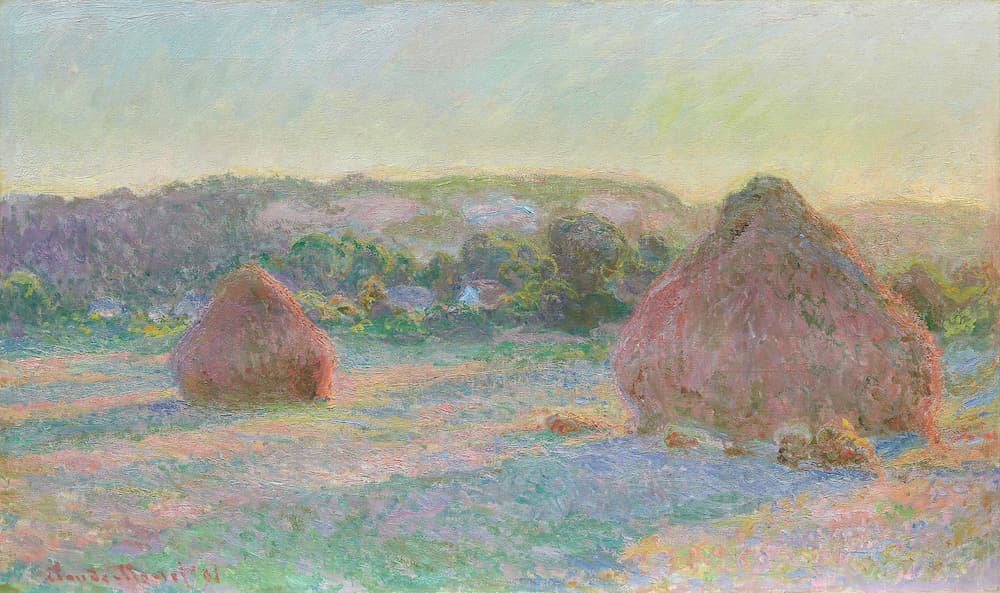
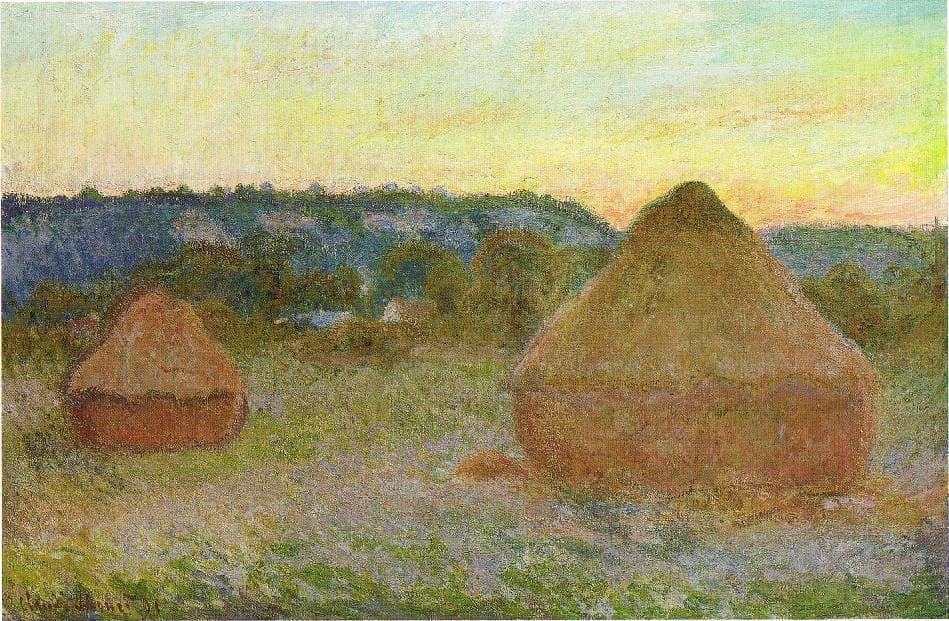
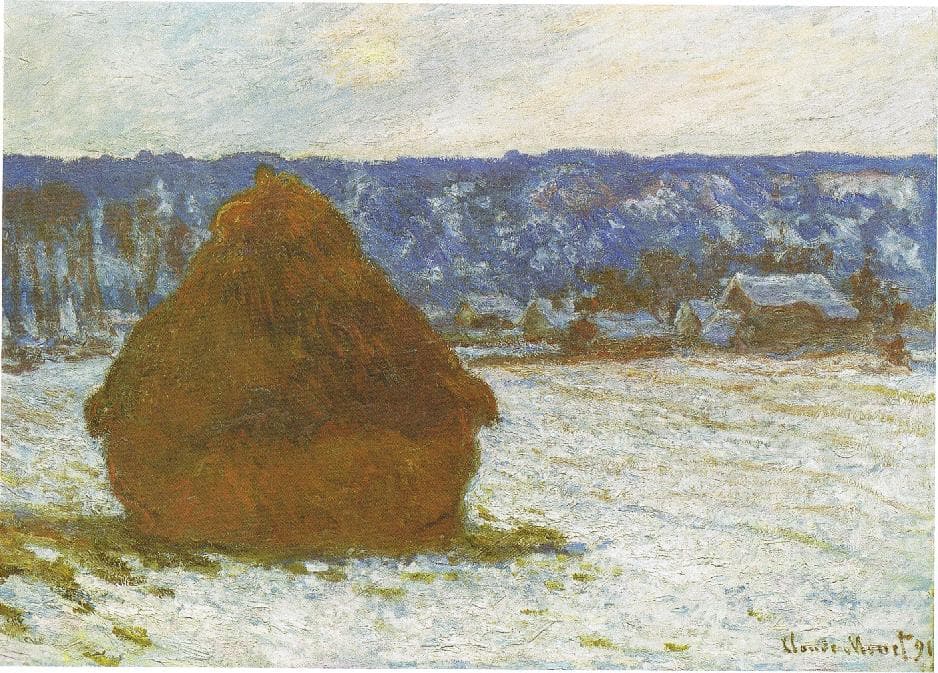
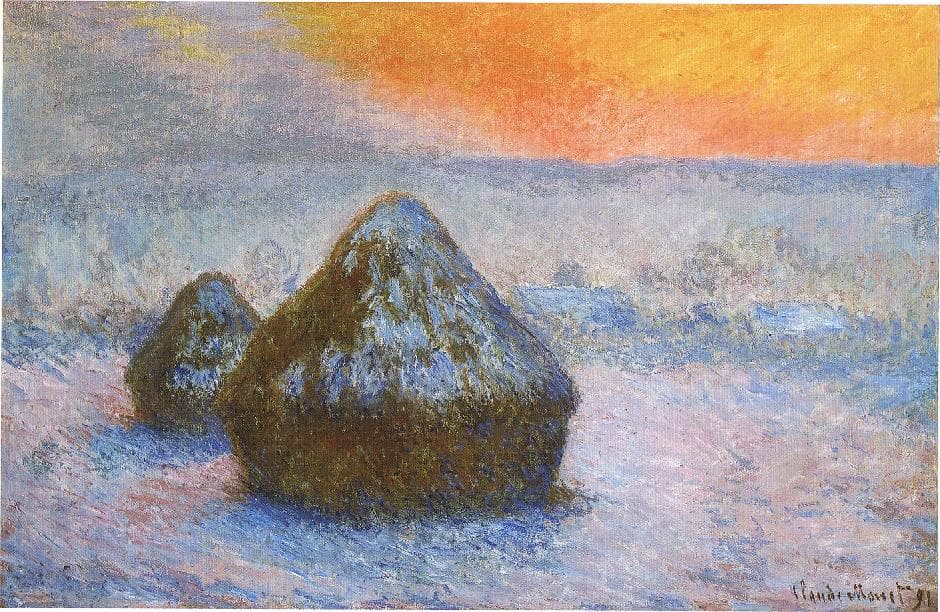
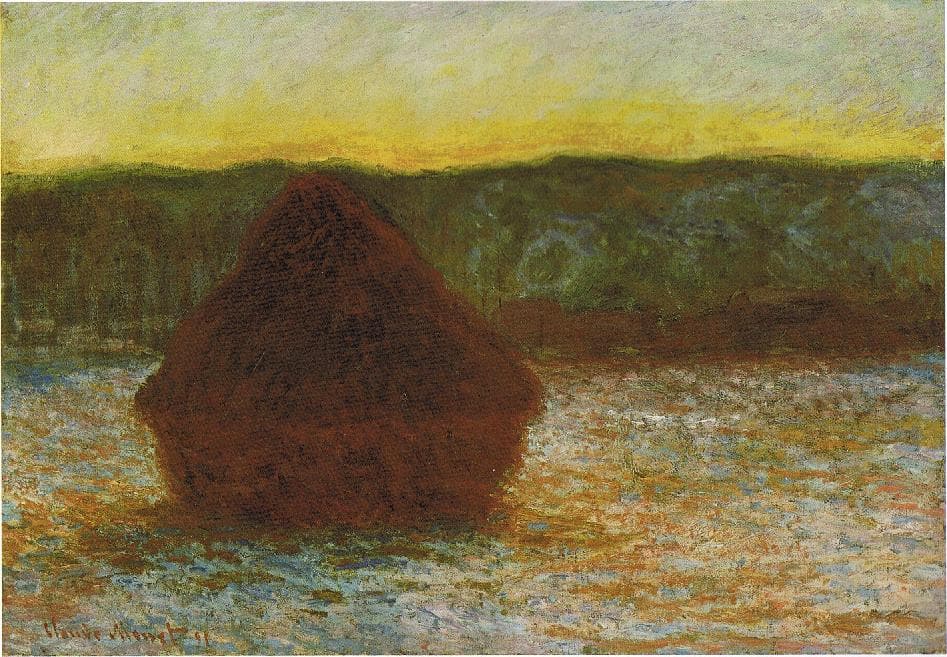
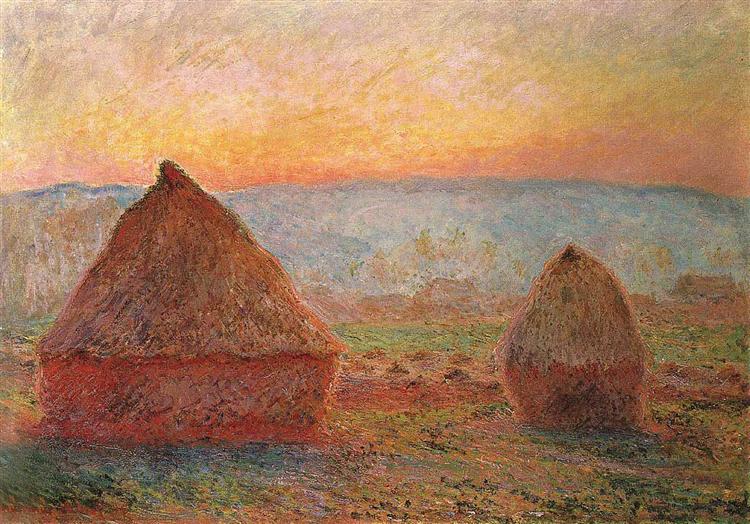
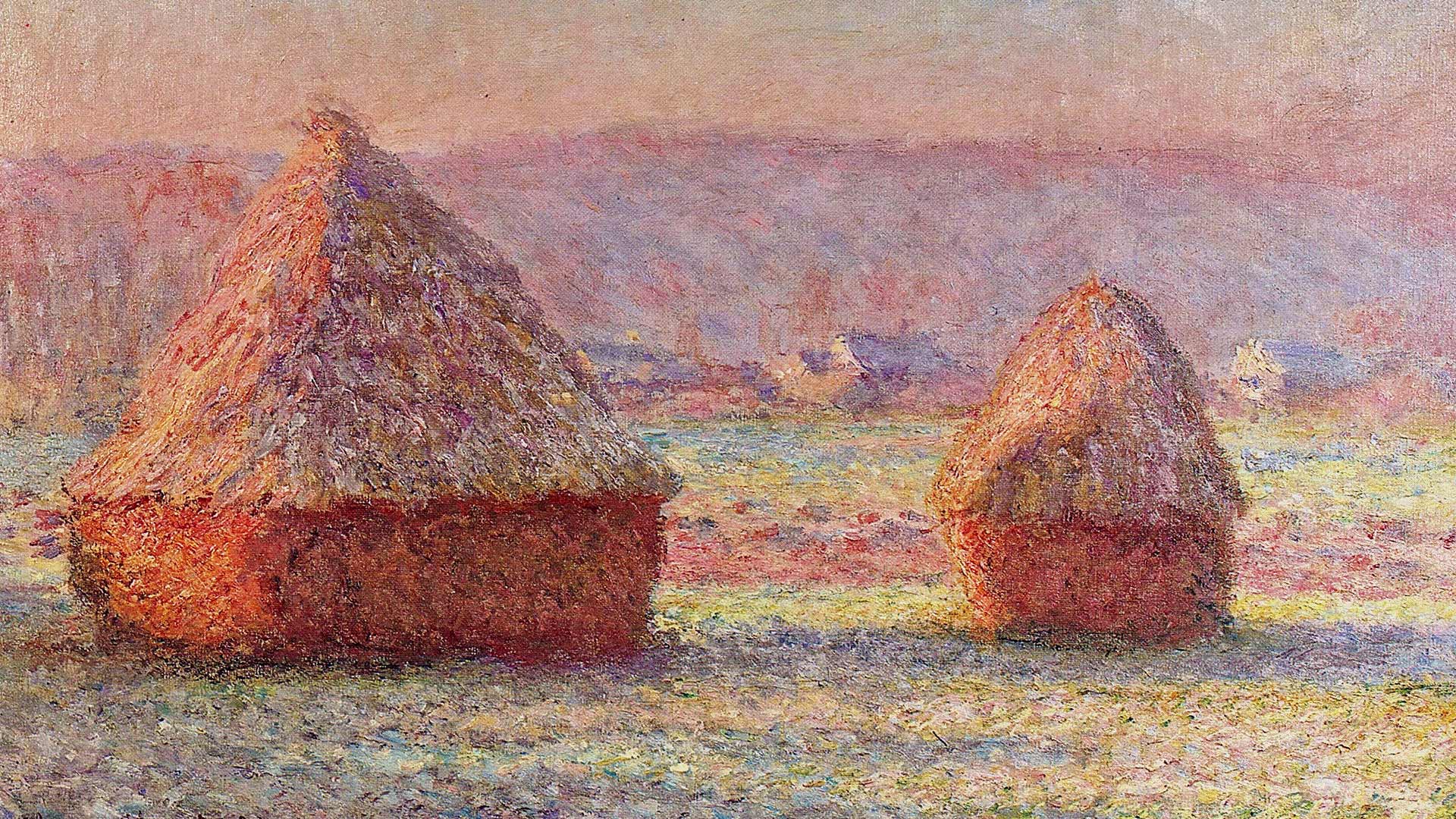
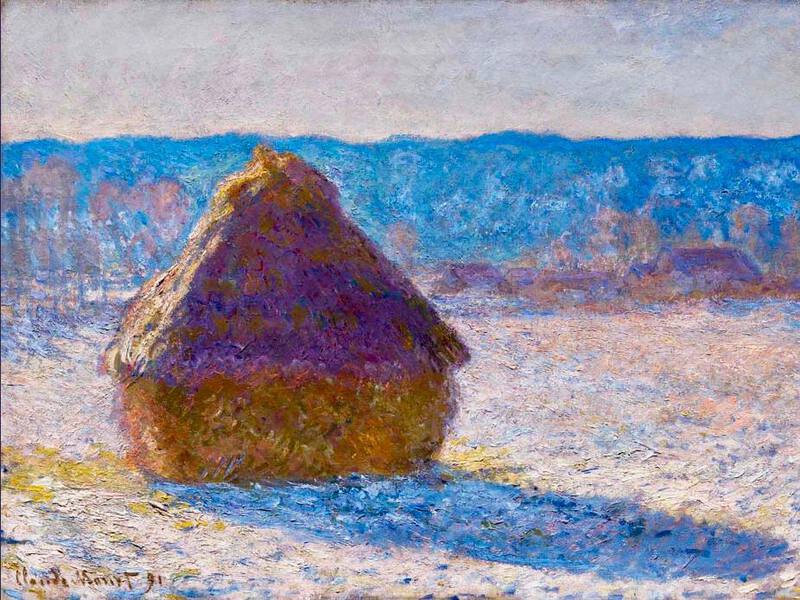
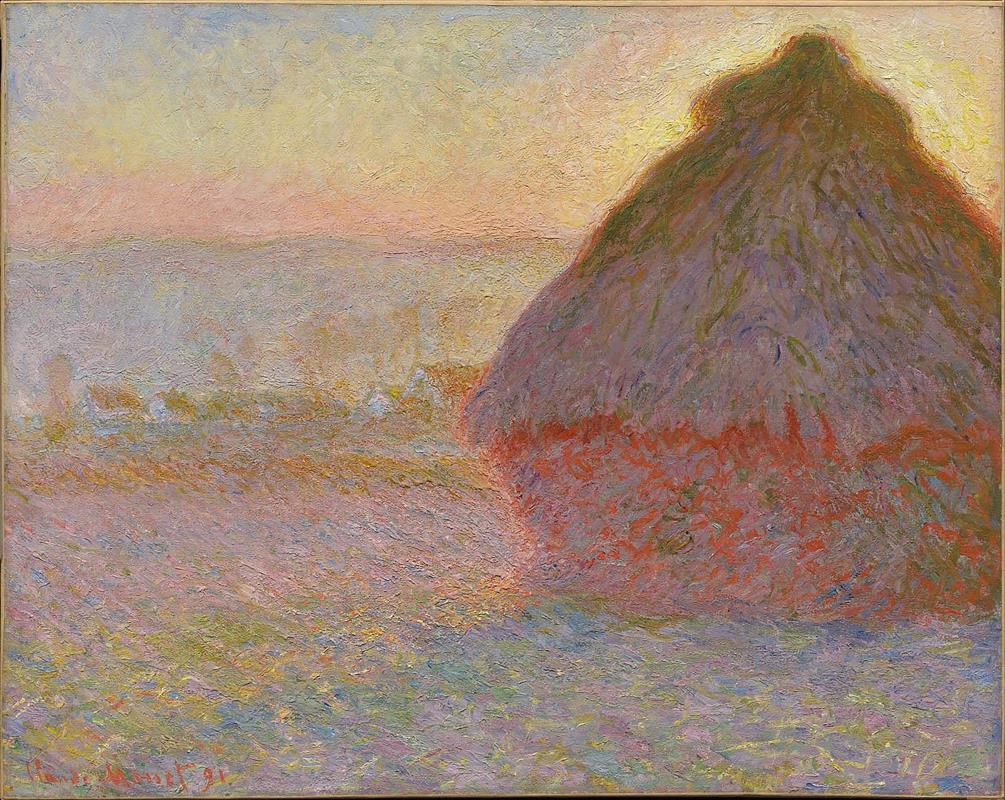
Claude Monet, my favorite artist, painted the same subjects over and over (haystacks, cathedrals, water lilies) not because he hadn’t figured them out, but because they kept changing. Light shifted. Weather altered color. Time did its quiet work. Each painting wasn’t a correction of the last. It was an admission that the subject hadn’t been exhausted.
Nothing about this approach is careless. It requires more attention, not less. To return again and again is to resist the comfort of final answers. Certainty is replaced with patience. Completion is replaced with sustained looking.
There’s something unsettling about this in a culture that treats decisiveness as virtue. Monet never delivered the definitive haystack. He never closed the file. He kept looking, even when the demand for clarity would have preferred he move on.
The problem with certainty isn’t that it’s wrong, but that it hardens. What begins as orientation quietly turns into obligation. Positions become identities. Explanations become rules. And once clarity is moralized, deviation feels like failure and impossible to do even if necessary.
If truth can exist without permanence, then clarity may need to exist without closure.
The question is whether we can tolerate that.
At what point does the demand to be clear stop helping us understand and start telling us where we’re allowed to stand?
IV. What happens when perception is outsourced?
If machines explain the world for us, what remains of seeing?
The demand for clarity doesn’t disappear when certainty becomes uncomfortable.
It finds another outlet.
You feel it the moment you stop deciding what to look at. A feed opens and the work is already done for you. “Trending.” “For you.” “Most relevant.” Before your attention has a chance to hesitate, something has already been selected on its behalf.
This feels helpful. Almost generous. There is too much to notice anyway. Let someone else filter. Let the noise be reduced. Let the "important things" rise to the top.
But over time, something subtle shifts. You begin to notice less why you’re seeing what you’re seeing. Articles appear without you remembering choosing them. Opinions surface already framed, already summarized, already positioned inside a larger story you didn’t assemble yourself. You inherit conclusions the way you inherit weather as something that just arrives...
Perception starts to resemble consumption. You scroll past interpretations of events you haven’t encountered directly. You read summaries of arguments you never sat with. You absorb judgments that feel familiar without remembering when they became yours.
The danger here isn’t manipulation in the dramatic sense. It’s thinning. When perception is outsourced, ambiguity disappears first. Anything that doesn’t register cleanly—anything slow, quiet, unresolved—gets filtered out. The world becomes sharper, but narrower. Clearer, but flatter.
This isn’t new. When photography first promised an objective view of reality in the 19th century, it offered relief from interpretation. The machine would see for us. The image would speak for itself. But something was lost in that handoff: the experience of standing somewhere, of noticing light, of waiting long enough for meaning to form.
Seeing is not just receiving information. It’s an act. It requires time, uncertainty, and the willingness to not know immediately what something is or means. When explanations arrive too quickly, that space collapses. You move on before perception has a chance to deepen.
Outsourced perception trains you to trust conclusions more than attention. To accept relevance rather than discover it. Over time, the eye forgets how to linger. The mind forgets how to stay undecided.
The question isn’t whether machines can explain the world accurately, but whether a life lived through borrowed explanations still feels like a life that was actually seen.
And if perception keeps being handed off, what happens to the part of us that once learned meaning by staying with things that refused to explain themselves right away?
V. How should humans relate to time under acceleration?
What does it mean to live when everything moves faster than reflection?
There’s a familiar moment at the end of the day.
You’re tired, but not from anything specific. You try to remember what actually happened, and the day feels strangely blank. Messages were sent. Tabs were closed. Tasks were completed. And yet it’s hard to point to a single moment that feels fully lived.
Time slipped.
Acceleration doesn’t announce itself as speed. It shows up as smoothness. No pauses. No friction. One thing flows into the next without asking whether you were ready. Videos autoplay. Conversations continue in parallel. Work bleeds into rest without crossing a boundary. The day becomes a continuous scroll.
When time behaves this way, reflection starts to feel unnatural. There’s never a clean edge where one moment ends and another begins. Everything is always slightly unfinished, slightly pending.
We tend to blame distraction for this. But the deeper issue is rhythm. Human attention evolved around beginnings and endings: morning and night, work and rest, arrival and departure. Acceleration erases those markers. Without them, time loses shape. And when time loses shape, experience loses weight.
Think about the difference between watching a short clip and watching the light change through a window. The clip demands nothing from you. It runs, ends, and is immediately replaced. The light asks you to stay. Nothing dramatic happens, but something registers. You notice when it shifts. You feel when it’s gone.
Industrial schedules once trained people to treat time as a resource. Acceleration trains us to treat it as a surface—something to move across quickly, efficiently, without sinking in. The faster you go, the less resistance you feel. And the less resistance you feel, the less you remember being there.
The Impressionists didn’t slow the world down. Trains still ran. Cities still expanded. But they learned how to stay with moments that were already leaving. They treated time not as something to conquer or optimize, but as something to meet while it passed.
This is the difference between wasting time and spending it. One disappears without trace. The other leaves marks, even when the moment itself is gone.
The problem with acceleration isn’t that life moves quickly. It’s that speed removes the chance to feel when something has ended. Without endings, there’s nothing to hold onto. Days blur. Weeks vanish. Presence becomes rare not because time is scarce, but because it never quite arrives.
So the focus shouldn't be on how to slow the world down because we literally can't. We simply need to recover a way of moving through time that allows moments to land before they disappear.
What would it mean to live at speed and still feel where you’ve been?
VI. Is impermanence something to resist or inhabit?
Does transience destroy meaning, or generate it?
There’s a small panic that comes with noticing how much disappears now.
Messages that delete themselves after being read. Stories that vanish by morning. Photos taken not to be kept, but to be posted with their relevance measured in hours, not years.
The instinctive response is to preserve. Screenshot it. Archive it. Save it “just in case.” We hoard traces the way people once hoarded objects, hoping permanence might rescue meaning from loss.
But preservation doesn’t always do what we think it does.
A screenshot of a message doesn’t carry the feeling of receiving it.
An archived photo doesn’t restore the moment it mattered.
A saved post rarely feels the same when you return to it later.
What disappears often mattered because it was brief. Because it asked for attention when it happened, not later. Its value wasn’t in its endurance, but in its timing.
We’re uncomfortable admitting this. We like to believe meaning depends on longevity. That what matters should last. That if something fades, it must have been shallow. But some of the most formative experiences in life don’t stay available for replay. A conversation that changes you. A phase of becoming someone else. A version of yourself that no longer exists.
Impermanence doesn’t negate these moments. It defines them.
The Impressionists painted things they knew would not remain: light on water, shadows across fields, colors altered by weather and hour. Not because they were afraid of loss, but because loss was already built into what they were seeing. The moment mattered precisely because it couldn’t be held.
Modern life treats disappearance as failure. Content expires. Trends die. Relevance fades. So we rush to keep up, to stay visible, to avoid becoming obsolete. But this urgency misunderstands what impermanence actually threatens.
What fades is not meaning itself, but access. And access was never guaranteed.
Some things only exist while you are there for them. They don’t wait. They don’t archive themselves. They ask something more demanding than memory: presence.
It shows us that our refusal to accept transience keeps us from fully entering the moments that give meaning in the first place.
If everything passes (which it does), the task isn’t to make moments last but to learn how to inhabit them while they’re here.
VII. Impressionism as a worldview (not an art style)
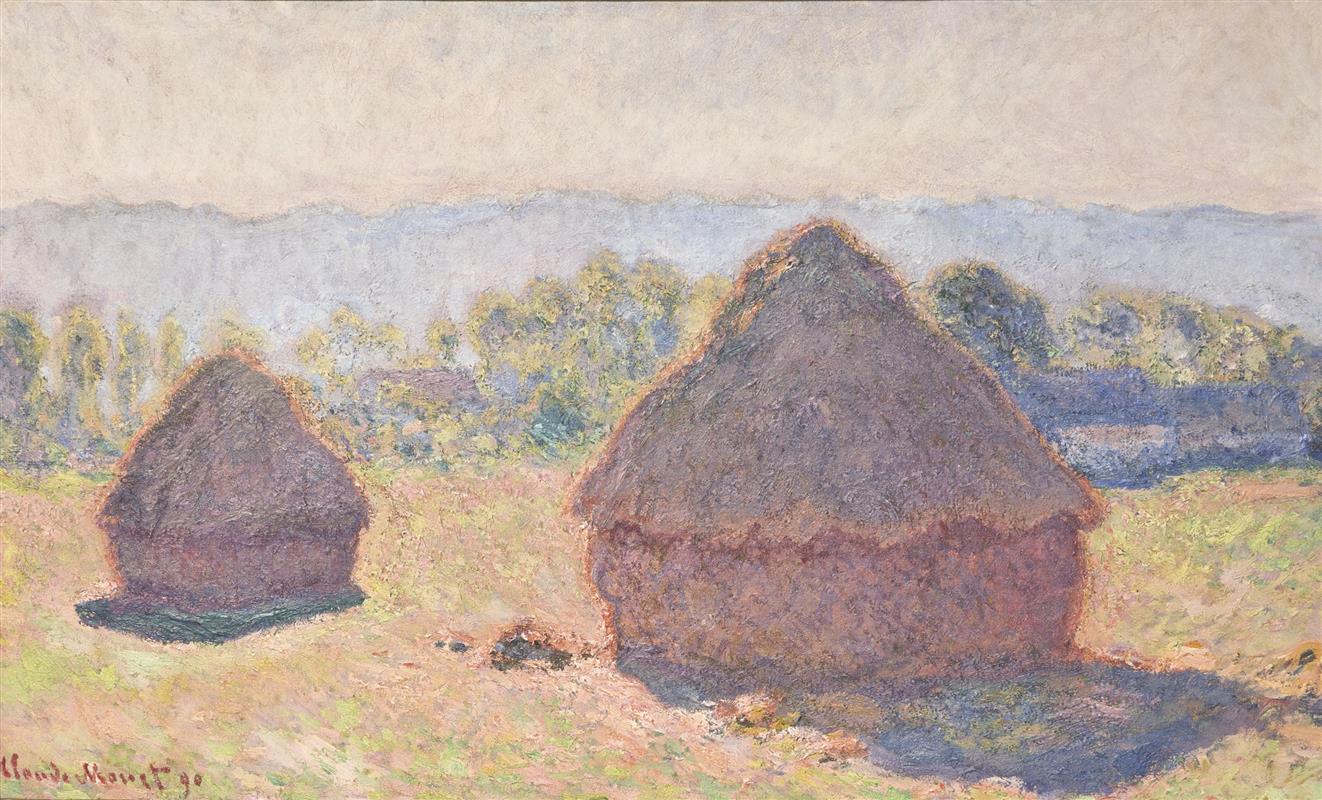
At this point, it’s tempting to talk about Impressionism as if it were a set of techniques: short brushstrokes, loose edges, unfinished forms. But that’s like describing a way of living by listing someone’s habits. It misses what actually matters.
The core fundamental purpose behind Impressionism was a stance.
It began from a refusal: a refusal to pretend the world was stable when it wasn’t, a refusal to smooth experience into something more certain than it ever felt. Instead of forcing reality into fixed outlines, it stayed with what appeared: light as it changed, moments as they passed, perception as it happened.
It was a stance against pretense itself.
The Impressionists didn’t reject modernity. They lived inside it. Trains, cities, factories, crowds—these were not threats to be escaped, but conditions to be faced honestly. What they rejected was the demand to resolve experience too quickly. To finish seeing before seeing had really occurred.
As a worldview, Impressionism privileges attentiveness over abstraction. It values experience before explanation. It assumes that reality is encountered, not captured, and that meaning arises through contact not control. Instead of asking, “What is this, exactly?” it asks, “What is happening here, right now?”
This posture doesn’t promise certainty. It doesn’t scale neatly. It doesn’t convert easily into systems. But it preserves something essential: the ability to remain present in a world that refuses to hold still.
Seen this way, Impressionism isn’t about art history at all. It’s about how one meets instability without collapsing into either nostalgia or automation. How one stays perceptually alive without demanding final answers. How one allows meaning to emerge without insisting it be permanent.
It teaches no doctrine. It offers no method.
It simply models a way of standing in front of reality: unfinished, attentive, and willing to keep looking.
And in a time that drowns us in information and rewards speed, clarity, and closure above all else, the Impressionist posture may be more radical and important than it first appears.
VIII. Objection: Is this merely aesthetic?
At this point, a reasonable objection surfaces.
This all sounds nice. Thoughtful. Even humane.
But what does it do?
You can’t run a company on attentiveness. You can’t scale patience. Markets, institutions, and technologies require clarity, speed, and decisions. A worldview built on lingering and perception feels indulgent and something for galleries and weekends, not for real life.
This objection matters because it names a real constraint. The world does not slow down just because we ask it to. Systems need outputs. Processes need closure. Someone has to decide.
But this misses what is actually being proposed.
Impressionism does not argue against systems. It argues against false certainty. It does not reject structure; it resists the assumption that structure should replace judgment. The problem is when automation becomes a substitute for seeing.
Attentiveness is not inefficiency, but in fact, a check. A refusal to let clarity arrive before understanding has had a chance to form. In domains where decisions matter (medicine, law, education, leadership) the danger is usually premature confidence not too much reflection.
So, it actually is a philosophical insistence on responsibility instead of an aesthetic preference for softness. When perception is bypassed, when nuance is flattened in the name of speed, errors don’t disappear... they scale.
Impressionism, as a posture, reintroduces friction where it matters. It slows interpretation, not action. It reminds us that judgment is not something you outsource without cost. That some clarity must be earned, not assumed.
So no—this isn’t a solution you can implement as a feature or measure in quarterly results. It’s not meant to be. It’s a reorientation of how humans relate to the systems they build and rely on.
The question isn’t whether attentiveness is practical.
The question is what becomes impractical when we abandon it entirely.
IX. Why this matters now
It would be easier if this were abstract.
If it were just a question about art, or taste, or how people once saw the world. But it isn’t. The stakes are already here, quietly shaping how we think and decide.
We are entering a moment where explanations are no longer scarce. They’re automatic.
You don’t read an article; you read the summary.
You don’t wrestle with a question; you get an answer.
You don’t sit with uncertainty; you ask a system trained to resolve it for you.
Artificial intelligence not only gives information, but it gives coherence, smooths contradictions, and collapses ambiguity. It presents the world already organized, already interpreted, already made sensible. And most of the time, it does this well enough that there’s no obvious reason to resist it.
That’s the risk.
When explanations become effortless, experience starts to feel optional. Judgment weakens not because people are lazy, but because the friction that once trained judgment disappears.
This is where Impressionism stops being historical and becomes urgent.
As machines get better at telling us what things mean, humans risk forgetting how meaning forms in the first place. Not through instant clarity, but through staying with something before it resolves. Through noticing what doesn’t fit cleanly. Through allowing perception to work on us rather than immediately replacing it with explanation.
The true danger of AI doesn't lie in the sci-fi movies of an apocalyptic evil agent that deceives the world, but it lies in the fact that it will satisfy us too quickly, lowering our resistance incrementally.
A world that explains itself in advance leaves little room for discovery. Little room for doubt. Little room for the kind of attention that changes how something feels rather than just how it’s categorized.
If perception continues to be optimized away, what remains of human judgment will be thin: efficient, informed, and strangely hollow. We will still make decisions. We will still move quickly. But we may no longer know why something matters beyond the fact that it was ranked, summarized, or recommended.
This is why the question of how we see is no longer secondary. It’s foundational.
As systems grow more confident in their explanations, the most fragile thing may not be truth or freedom, but the human capacity to experience the world without needing it resolved first.
And once that capacity fades, no amount of accurate answers will bring it back.
X. A way of seeing, not a doctrine
There is no program to extract from this. No steps to follow. No method that guarantees a different outcome. That’s intentional.
However, the Impressionist posture offers orientation.
It suggests that in times when the world accelerates, when explanations multiply, when certainty hardens too quickly, the most important work may happen before conclusions form. In the space where perception lingers. Where attention is allowed to do its slow, ordinary labor.
This is not a call to reject knowledge, technology, or progress. It’s a reminder that none of these replace the human act of seeing. That meaning doesn’t arrive fully formed. It emerges through contact, through time, through the willingness to remain present with things that don’t immediately resolve.
We began with a question about clarity in a world that never settles. That question remains open. But it looks different now.
Perhaps seeing clearly does not mean fixing the world in place.
Perhaps it means learning how to meet what appears without demanding it stay.
In a culture obsessed with knowing more, deciding faster, and moving on sooner, the most radical act may not be to add another explanation, but to notice what is already there, long enough for it to matter.
Not as a doctrine.
Not as nostalgia.
Just as a way of seeing again.